Living volcanoes, black-sand beaches, star-filled skies. And yes. That's snow.
Hawaii Island, the Big Island, is Hawaii at its wildest — a still-growing land bigger than all the other islands combined. Walk up to a living volcano, stargaze from near the summit of Maunakea, then snorkel with manta rays off the Kona coast.
One of the eight main Hawaiian Islands, one of the six you can visit, and the one that shares the state’s name.
Kona — coffee, snorkelling and manta rays
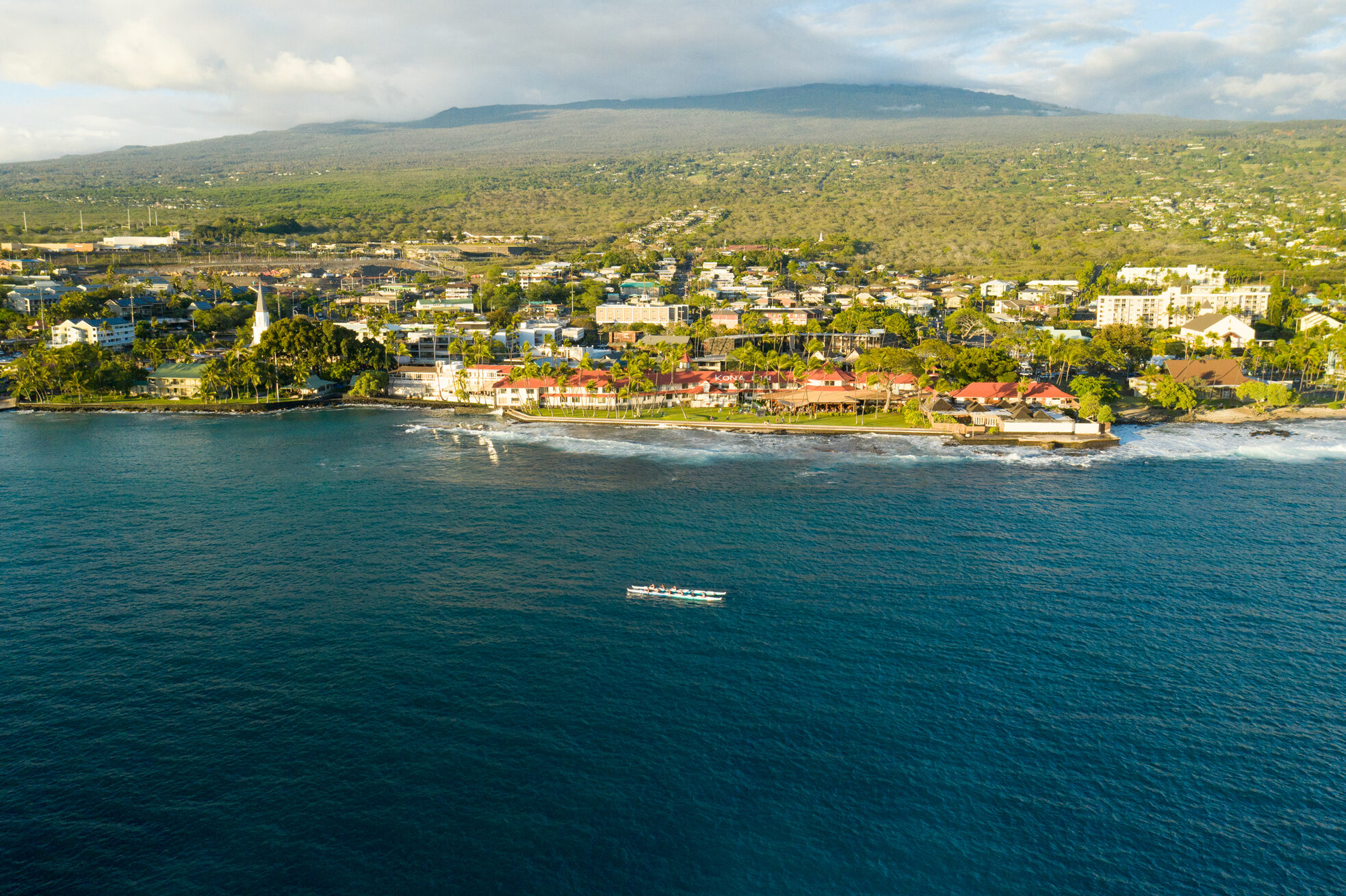
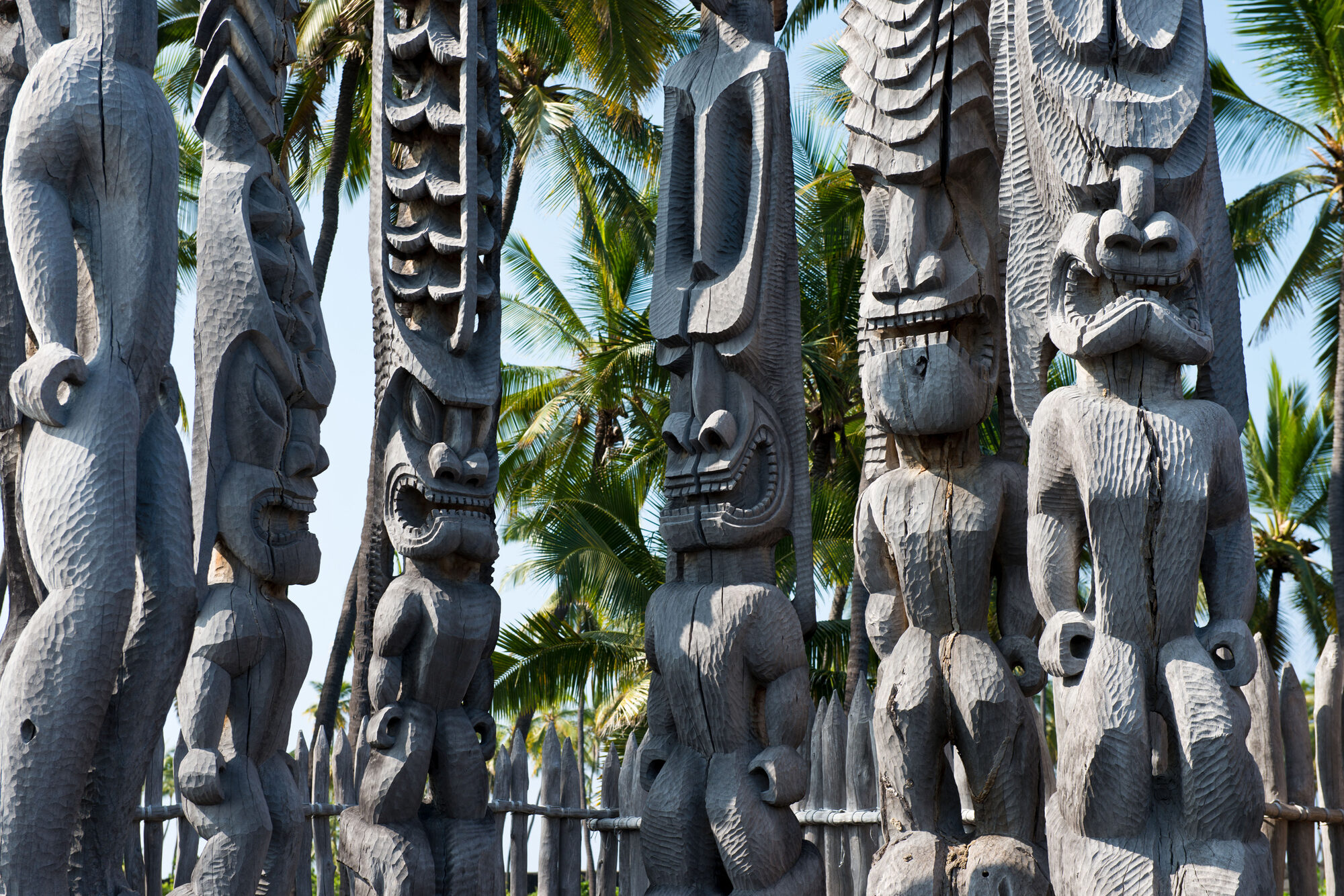
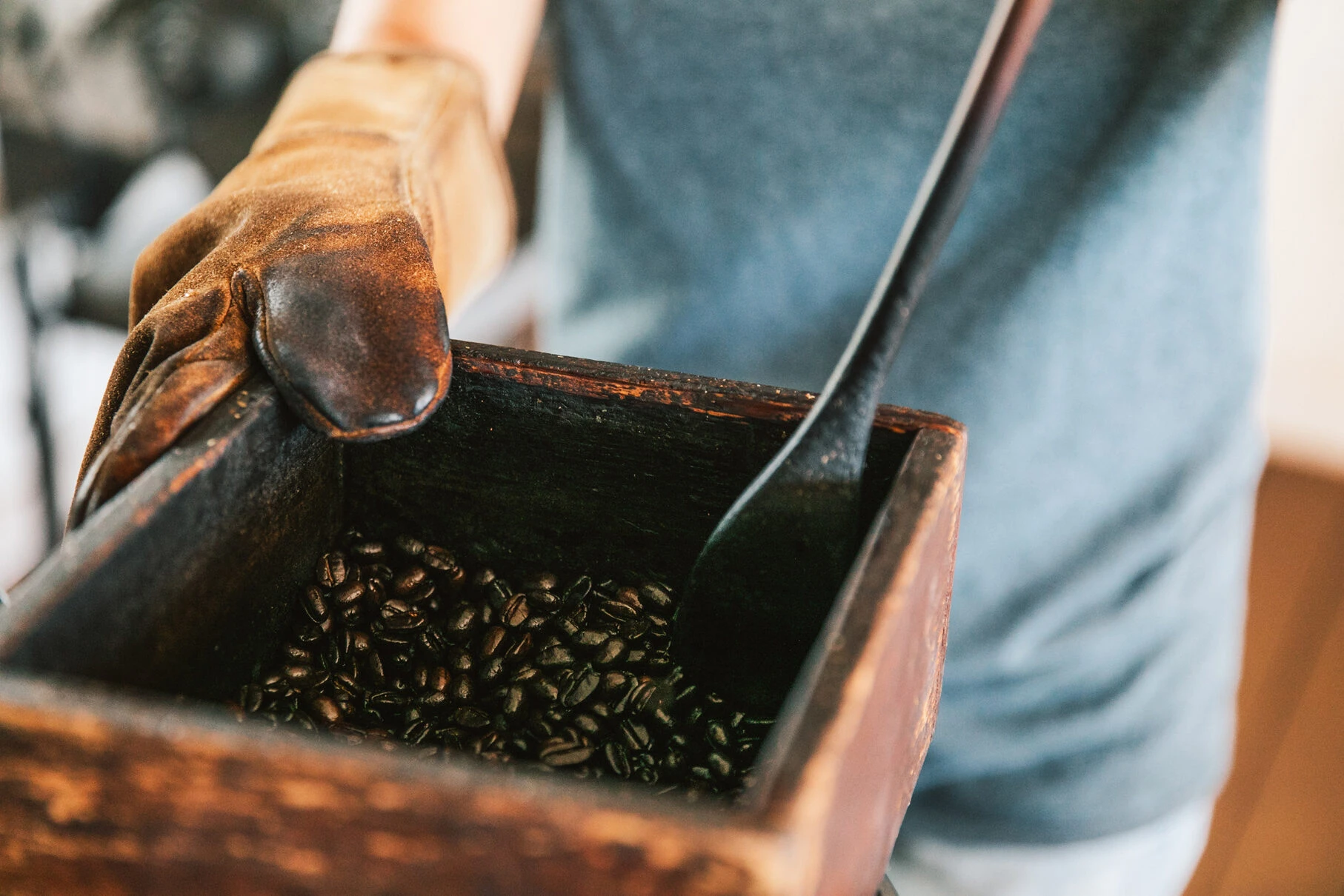
Kona is the Big Island’s easygoing west-coast base — the sunny side, built for the water, and the launch point for the island’s most famous ocean experiences. Kailua-Kona is a walkable little town of condos, mid-range hotels, shops and the harbour, an easy, good-value base for a beach-and-water holiday. Snorkel the clear protected waters of Kealakekua Bay, slip into the water after dark for the unforgettable Kona manta-ray night snorkel near Keauhou, tour a hillside Kona coffee farm and taste it at the source, and pay respects at Puʻuhonua o Hōnaunau, the old place of refuge and one of the island’s most important cultural sites.
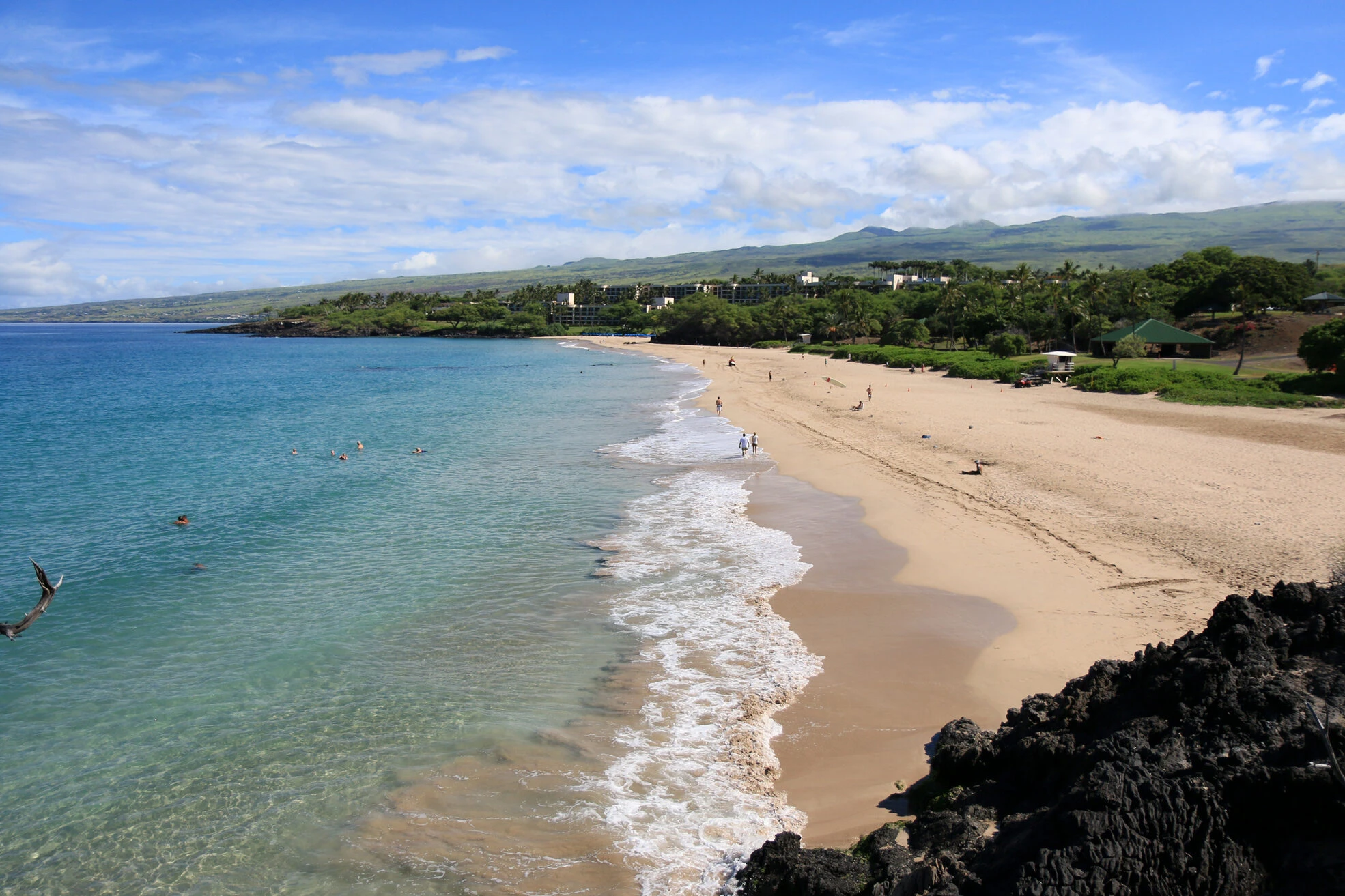
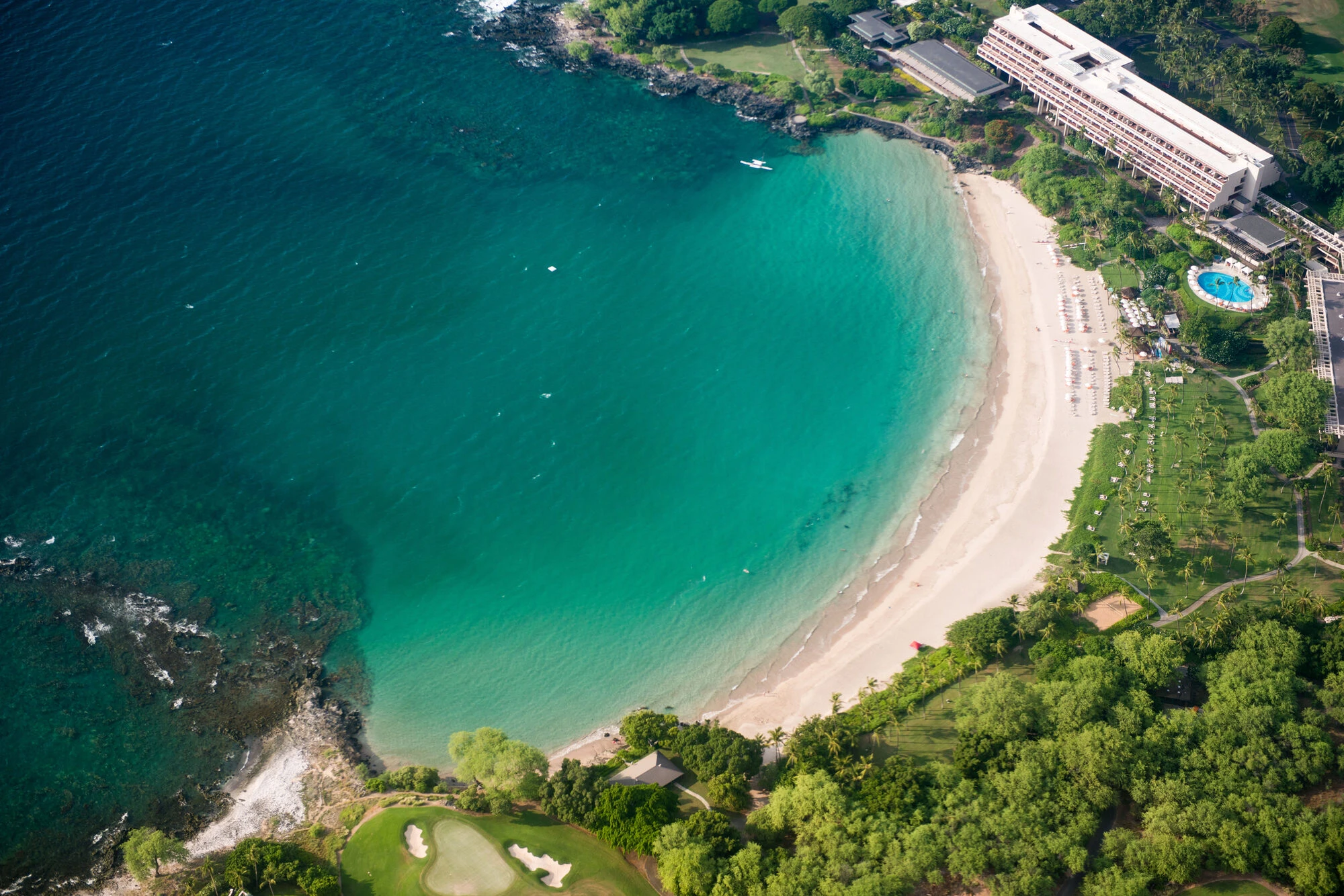
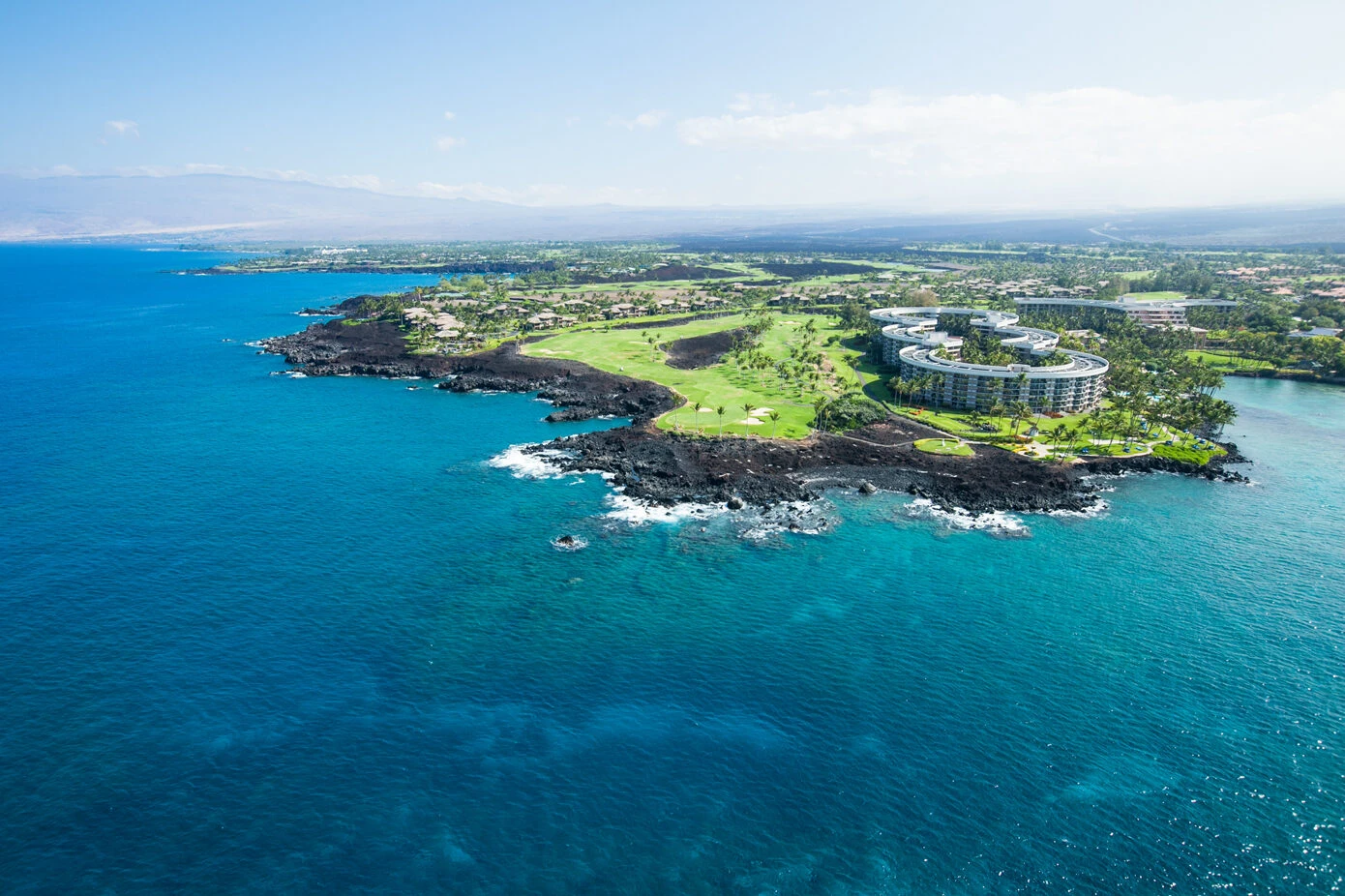
North of Kona, the Kohala Coast is where the Big Island turns on the glamour — a dry, sunny run of white-sand beaches and the island’s finest resorts, set on old lava flows at the foot of the great volcanoes. Black lava fields meet white sand and turquoise water, with Mauna Kea and Mauna Loa rising behind. This is the island’s luxury resort coast, around Waikoloa, Mauna Lani and the Mauna Kea area. Swim and snorkel gold- and white-sand beaches like Hāpuna, play some of Hawaii’s most celebrated golf, watch for winter whales, and use the coast as a comfortable base for day trips to the volcano, Mauna Kea and Waimea.
The Volcano and Kaʻū — where the island is still being made
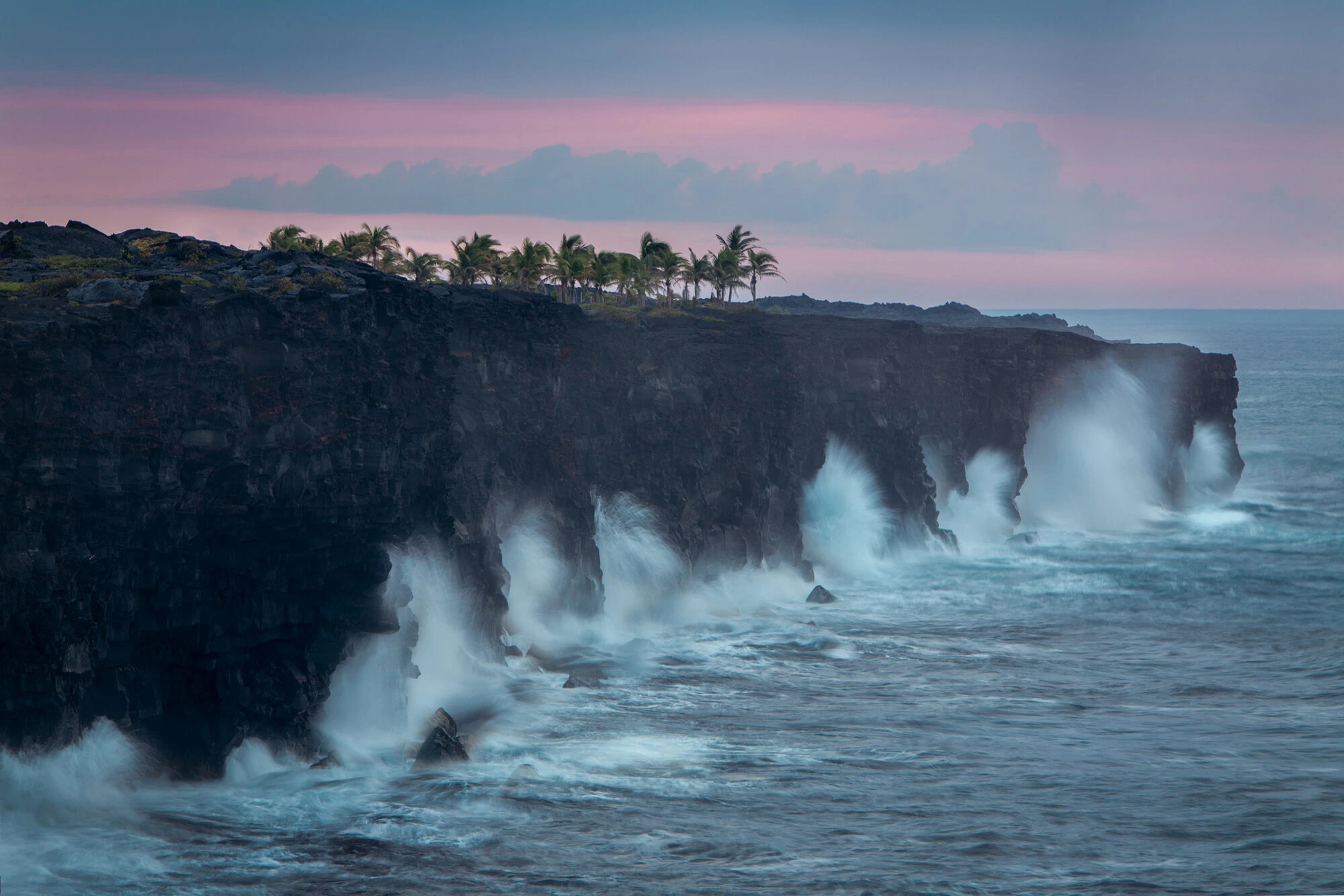
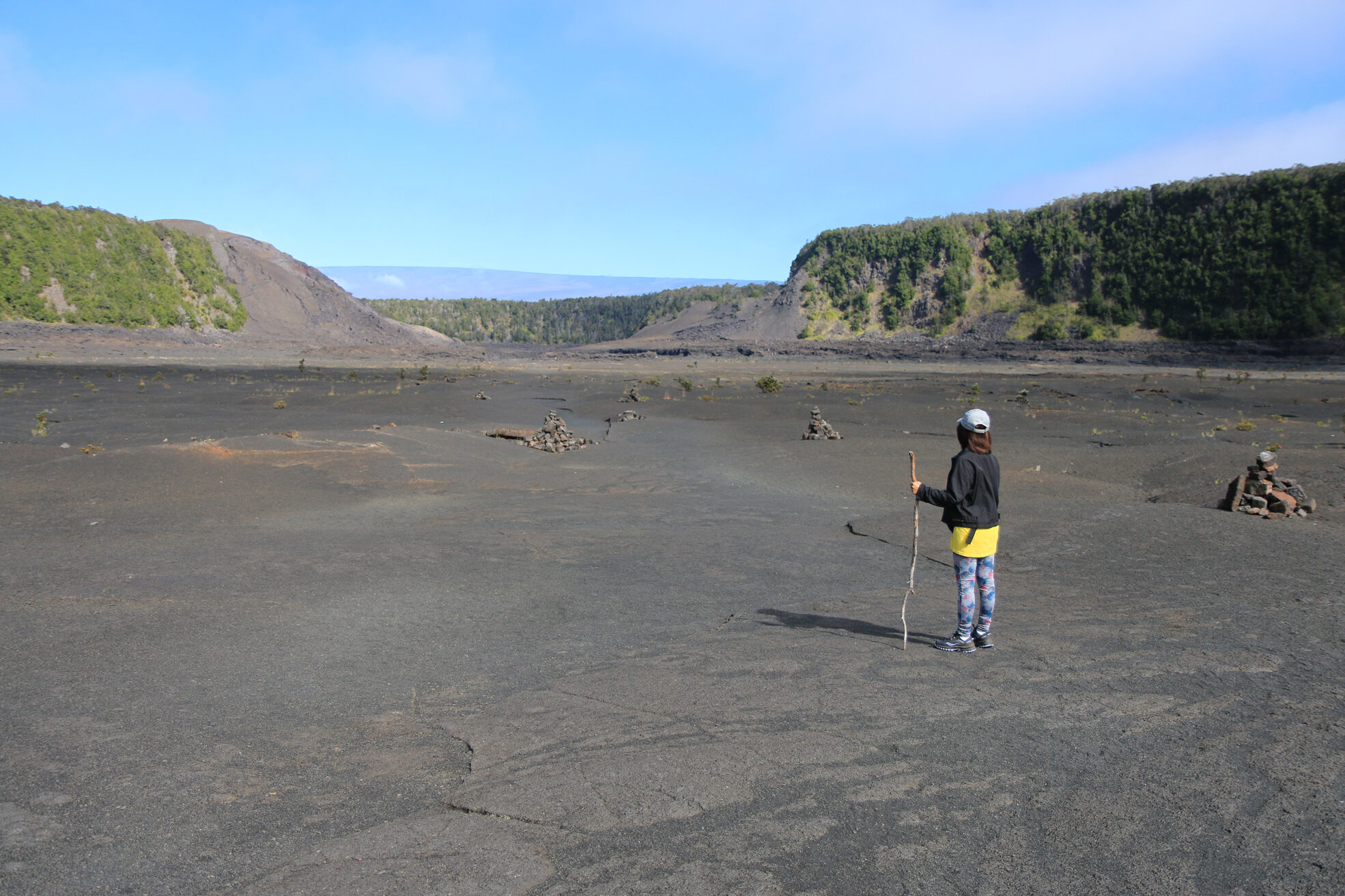
The south of the island is where Hawaii shows you how it was built. Hawaiʻi Volcanoes National Park protects two of the world’s most active volcanoes, Kīlauea and Maunaloa, and it is the single most extraordinary place on the Big Island. Steaming craters, hardened lava flows, rainforest and lava tubes — and, when Kīlauea is active, the deep red glow of lava after dark. Cool, misty Volcano Village by the park entrance is worth a night so you see it properly. Walk out to Puʻuloa, the largest petroglyph field in Hawaii, and on the Kaʻū coast find Punaluʻu Black Sand Beach, a jet-black, palm-lined beach where green sea turtles bask.
Punaluʻu’s jet-black sand gets the attention, but the Big Island is the only island in Hawaii where you can stand on black, white and green sand in a single day — the green at Papakōlea, near the southernmost point in the United States, one of only a handful of green sand beaches on earth.
Hilo and Hāmākua — rainforest, waterfalls and old Hawaii
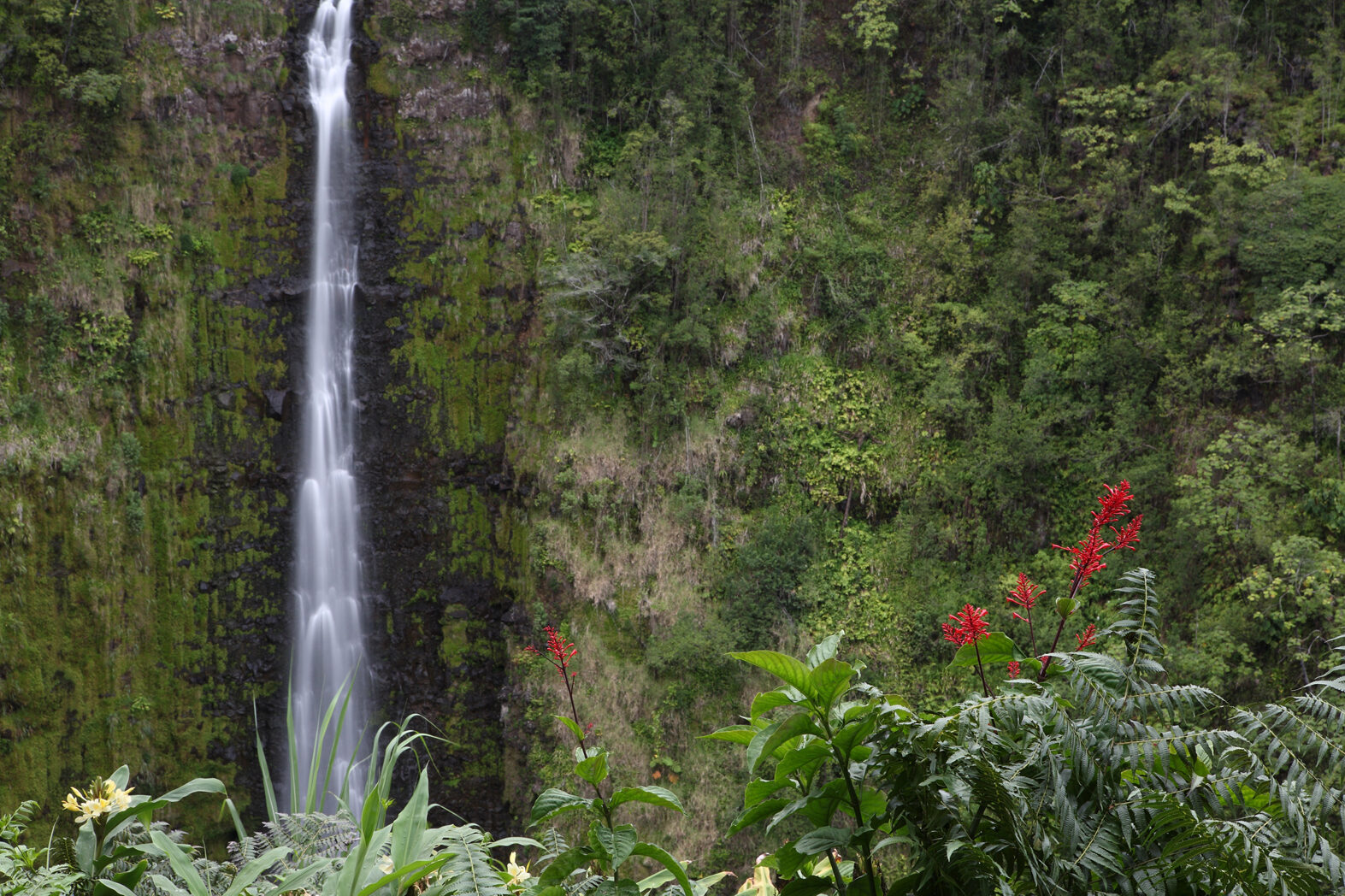
Cross to the east side and the Big Island turns lush. Hilo and the Hāmākua Coast are the island’s green, rainy, deeply Hawaiian half — waterfalls, gardens and a slower pace that feels like old Hawaii. Rainforest and sugar-country cliffs drop to the sea, threaded with waterfalls like Rainbow Falls and ʻAkaka Falls and the green amphitheatre of Waipiʻo Valley. Hilo is a real working town with a lovely bayfront, tropical botanical gardens and one of Hawaii’s best farmers markets, known for its Japanese-Hawaiian food heritage and fresh mochi. At the ʻImiloa Astronomy Center, Polynesian wayfinding and the astronomy of Mauna Kea come together, a wonderful family and rainy-day stop.
Waimea and Mauna Kea — ranch country and the stars
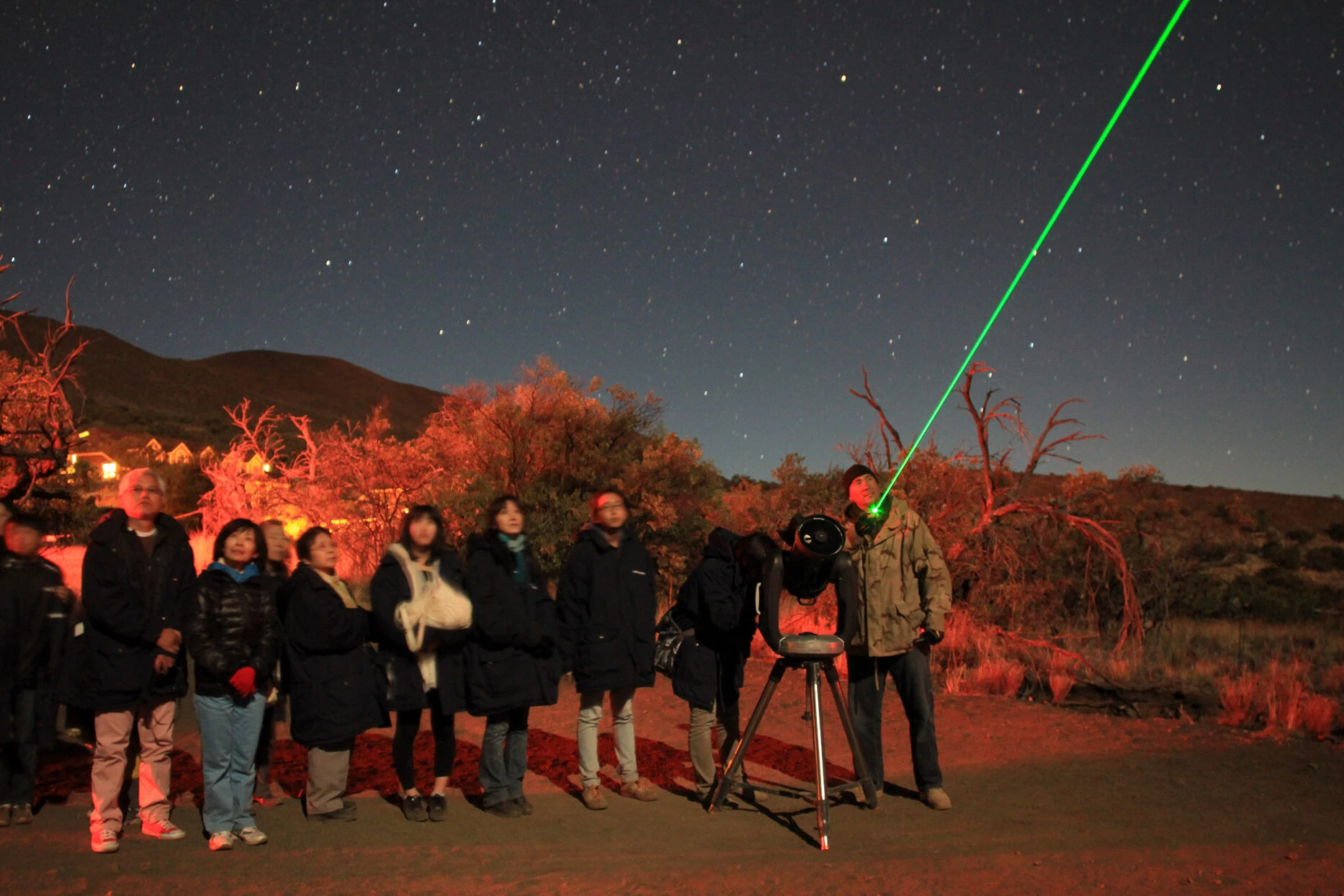
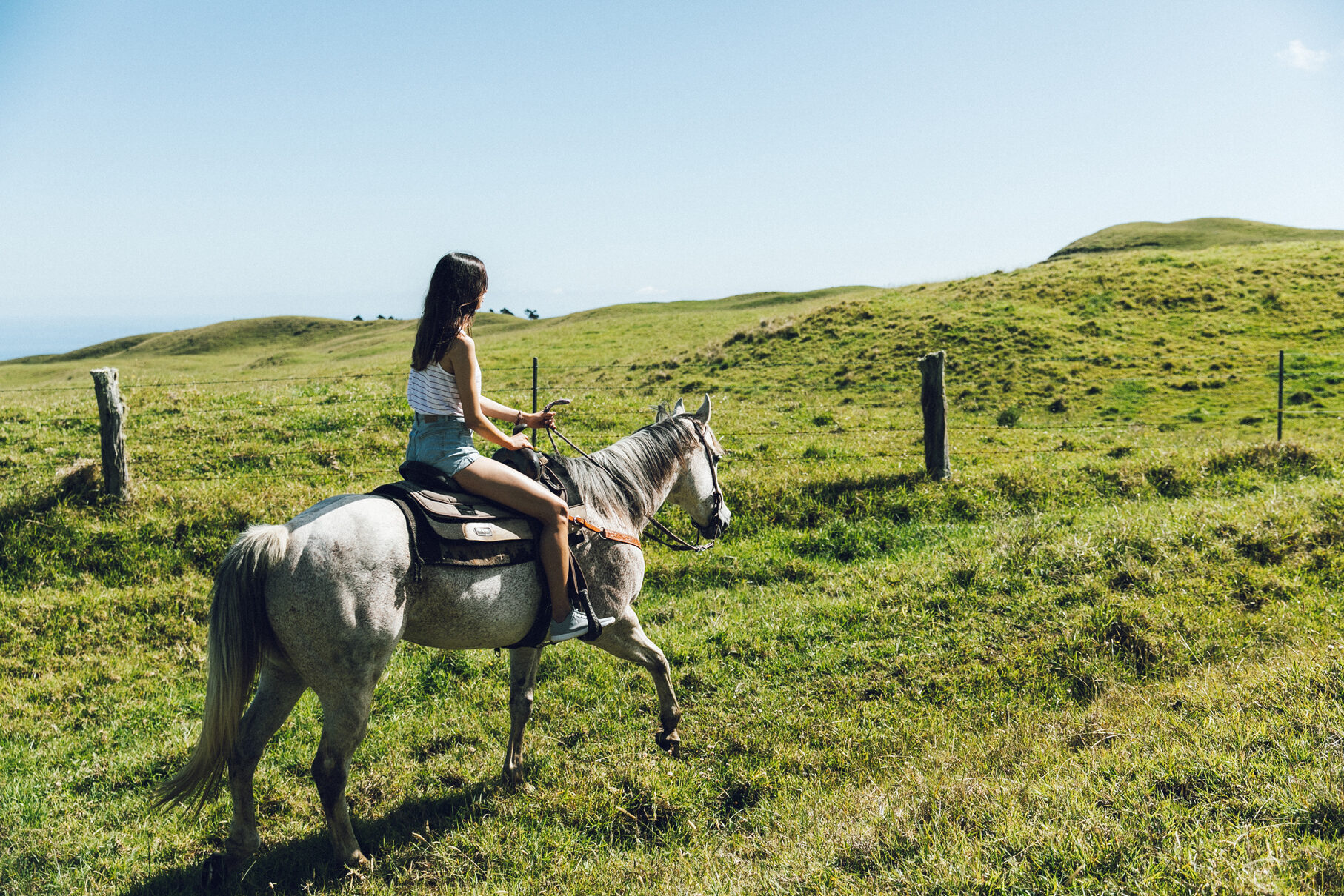
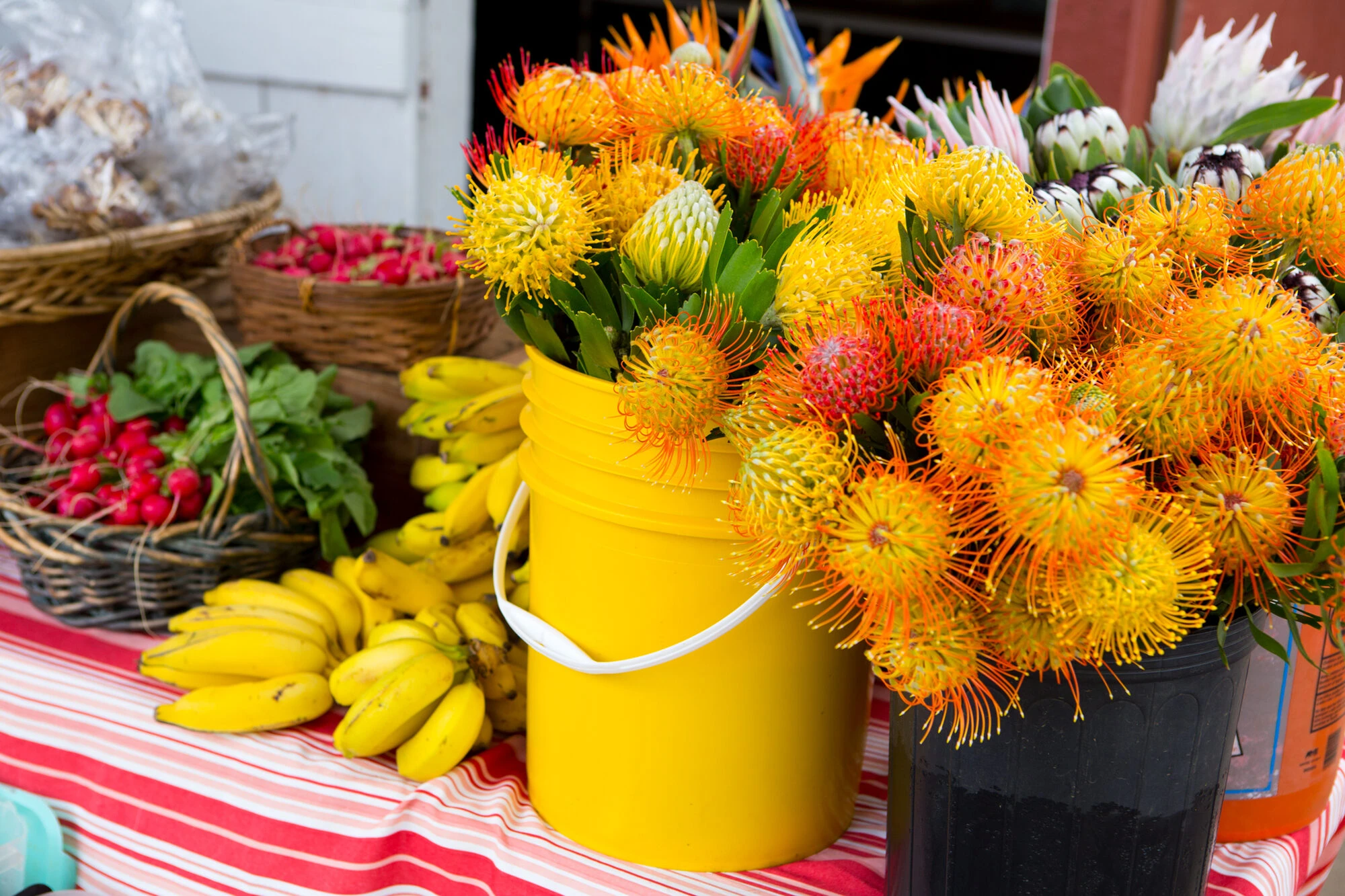
Up in the island’s cool middle, the Big Island surprises everyone. Waimea is green paniolo ranch country, and above it rises Mauna Kea — at 4,207 metres the highest point in Hawaii, and, measured from its base on the ocean floor, the tallest mountain on earth. Its name means White Mountain, for the snow that caps the summit through winter while the coast bakes below. Mauna Kea is one of the world’s great stargazing sites, and sunset and stars from the visitor station are unforgettable. Waimea itself is paniolo country, with the historic Parker Ranch, cool-mountain farms growing spectacular protea flowers, and some of the island’s best small-town dining.
Snorkel with manta rays, walk up to a living volcano, stargaze near a 4,200-metre summit, chase waterfalls and taste coffee grown on the hillsides.
On the water — snorkelling, manta rays and beaches
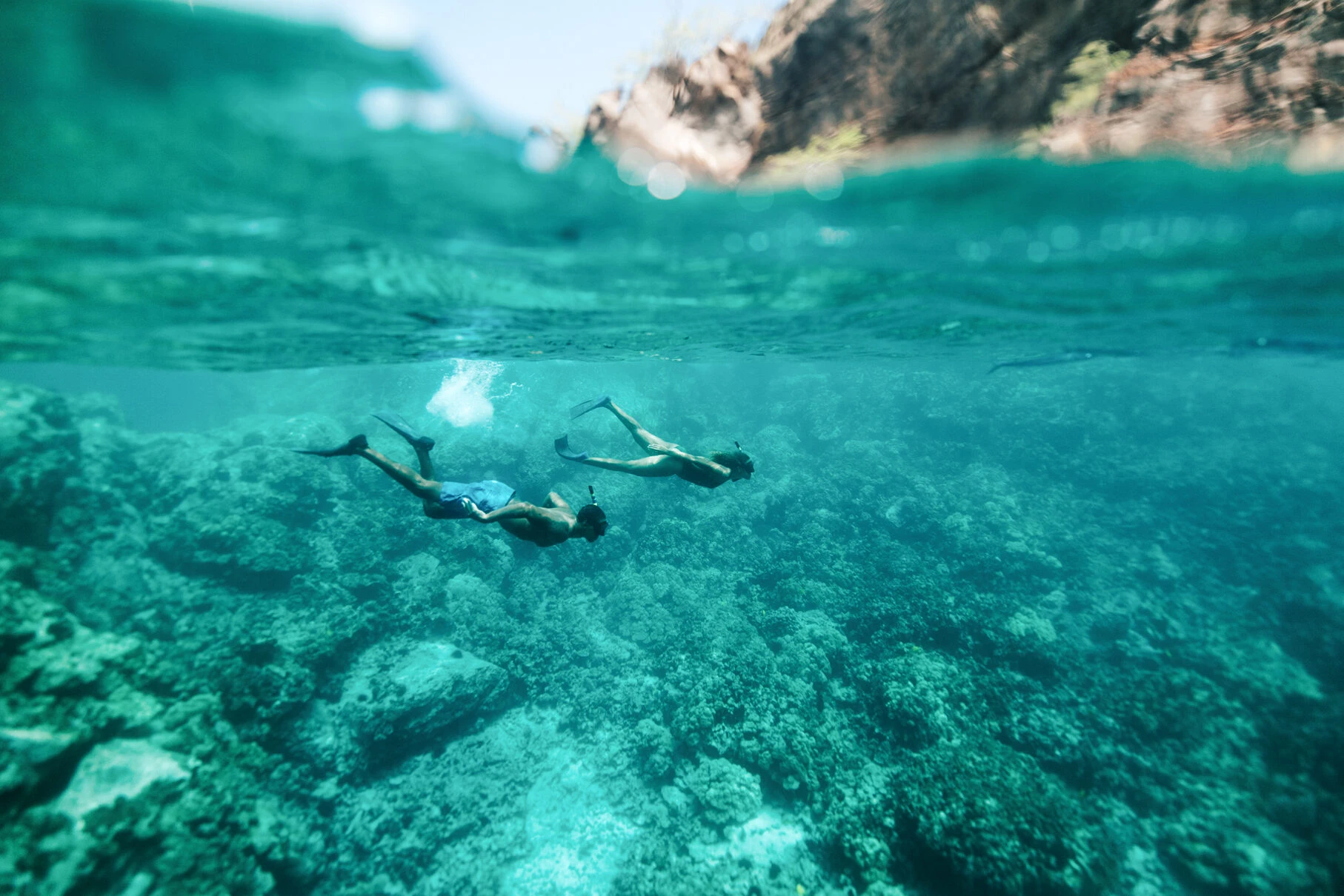
The Kona and Kohala coast is made for the water. Snorkel the clear, protected waters of Kealakekua Bay, one of Hawaii’s finest snorkelling sites, gliding over reefs alive with fish and turtles. After dark, the Kona manta-ray night snorkel is a genuine bucket-list experience — giant mantas circling through lantern-lit water to feed. The Kohala Coast holds the island’s best swimming beaches, from Hāpuna’s long white sand to smaller gold-sand coves, and in winter humpback whales pass along the coast. Add sunset sails, stand-up paddle and some of the clearest water in the islands.
On land, the Big Island is unmatched. Hawaiʻi Volcanoes National Park is the headline — active craters, lava tubes, rainforest and the chance, when Kīlauea is erupting, to see lava glow after dark. Give it a full day, ideally with a night nearby. Above it all, Mauna Kea offers world-class stargazing near its summit, and Waimea’s ranch country invites a slower day of paniolo history and country lunches. On the green side, chase waterfalls around Hilo and take in Waipiʻo Valley, and everywhere there are lava fields, rainforest trails and coffee farms to explore.
The Big Island carries deep Hawaiian history, and it is easy to experience. Puʻuhonua o Hōnaunau near Kona, the old place of refuge, is one of the most important cultural sites in Hawaii, with reconstructed temples and carved images by the sea. A Big Island lūʻau is a classic evening of food, music and hula. For families, the island is a natural classroom — black-sand beaches with basking turtles, a live volcano, coffee farms and the stars on Mauna Kea. The calm swimming beaches of the Kohala Coast suit younger children, and the sheer variety keeps older kids engaged.
The Big Island grows things found nowhere else in the country — world-famous Kona coffee, island fish and ranch-country produce.
Coffee country and the Kona table
The Big Island grows things found nowhere else in the country. World-famous Kona coffee comes off the hillsides above Kailua-Kona, and a farm tour and tasting is one of the island’s easy pleasures. The west side also lands fresh fish daily, and Kailua-Kona’s waterfront is an easy place for poke, seafood and a sunset drink.
The green side eats beautifully too. The Hilo farmers market is one of Hawaii’s best, piled with tropical fruit and local produce, and Waimea’s ranch country punches above its weight for small-town dining, from paniolo steaks to farm-to-table. Across the island, look for local plate lunch, malasadas and island-grown everything.
The island is still being built by Nature — which is exactly why it rewards travellers who choose the Big Island for a big adventure
Pick a side. Then, the Resort.
On the Big Island, the first choice is your side. The sunny Kona and Kohala west coast is where the beaches and resorts are — the Kohala Coast for polished beachfront resorts, Kailua-Kona for walkable, better-value condos and hotels. It is the base most travellers choose, with the volcano, Mauna Kea and Waimea all within a day’s drive. The green Hilo and Volcano side is cooler, wetter and more local, and worth a night or two near Hawaiʻi Volcanoes National Park. Many Island Escapes travellers split their stay. Simply tell us how you like to travel and we’ll match you to the right coast, resort and room.